
The Painter’s Last Fire
Fire took slow breaths around Cal Mercer like it was deciding whether to forgive him.
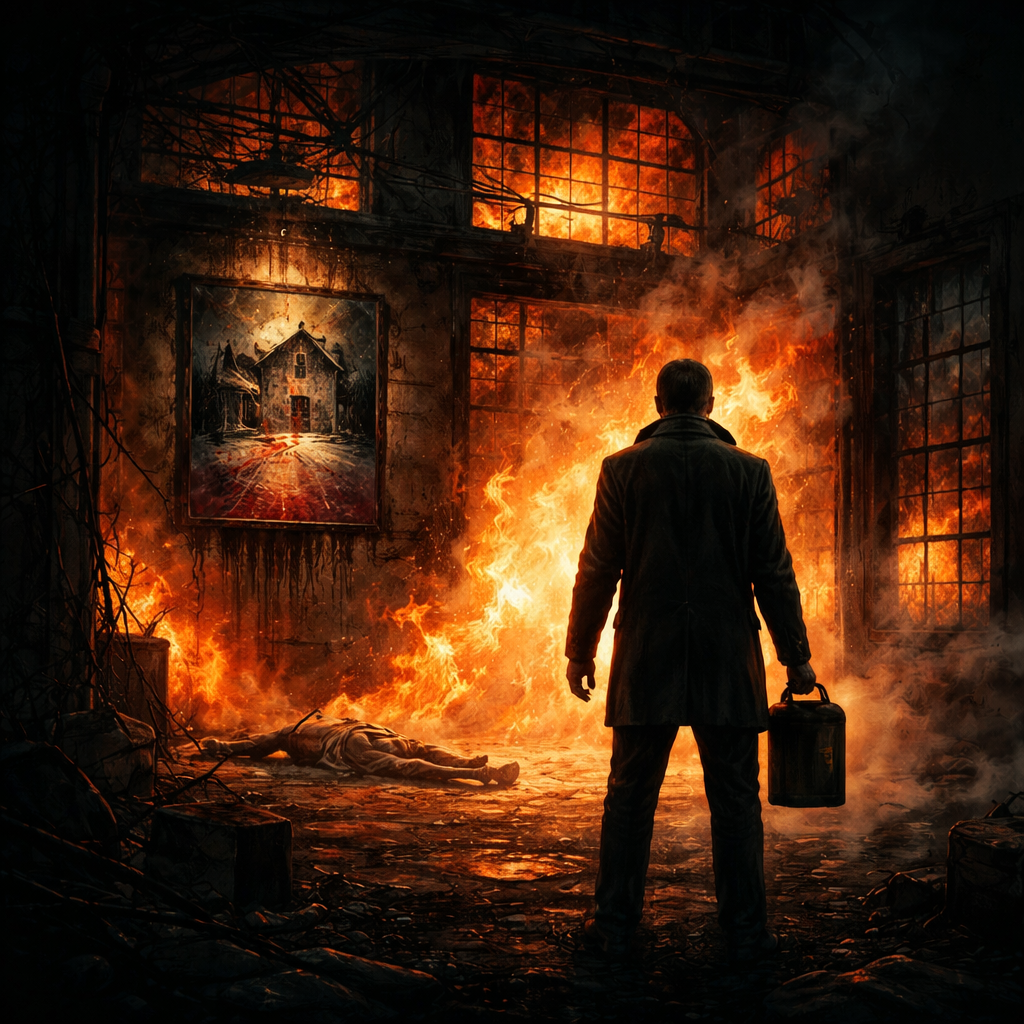
The gel he poured had already turned into a crawling line of orange, sliding across the concrete with purpose. Smoke pressed down from the ceiling, thick enough to taste. The dead man lay in the middle of it all, hands folded, face calm, like he was waiting for someone who wasn’t coming back.
Cal stood where the painting said he would stand.
He looked up into the dark rafters. “You wanted an audience,” he said. “You got one.”
From somewhere above, a voice answered, calm and pleased. “You always did understand the ending.”
Cal struck the match.
The flare carved his face out of shadow for one sharp second. He dropped it. Fire ran the line like it had been hungry all night. Heat rolled across the room. The painting trembled on its nails as the air shifted.
The killer laughed, not scared, not surprised. “This is the piece,” he said. “This is what they’ll talk about.”
Cal stepped forward into the smoke, eyes burning, lungs tight. “They won’t talk about you,” he said. “They’ll talk about the fire.”
Somewhere behind him a gun cracked. Somewhere above him something moved fast. And in the middle of it all, the dead man stayed silent, the only one who knew what it had cost to make this moment real.
What Was Left
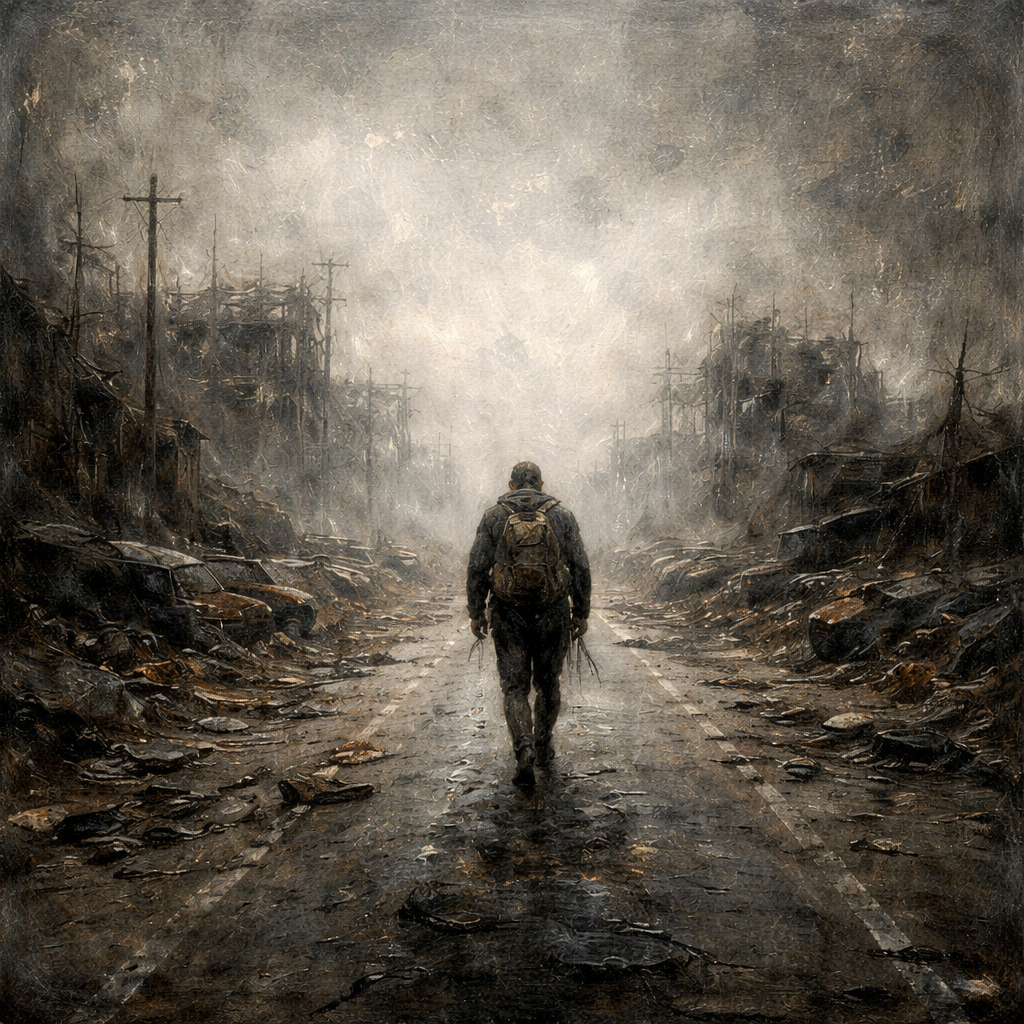
He woke on the ground with no idea how he had arrived there. The sky above him was the color of something burned and forgotten. He did not know his name. He did not know the year. The absence of memory did not frighten him at first. It simply existed, the way the cold did.
The road ran in two directions and offered no answers. He chose one and walked. His body remembered what his mind could not. How to stand. How to move. How to keep going.
Everything else was gone. Whatever had ended the world had taken the noise with it. No engines. No birds. No voices. Just the long quiet and the sound of his boots on broken pavement.
He did not know what he was searching for. Only that stopping felt worse than walking.
Thomas Calder
He was formidable, this man amongst men. 6’6” and solid, not an ounce of fat on him, as if Jack Reacher had manifested himself from the page to the city streets. And he would not be taken alive.
Residual
After a heatwave knocks out the power, the city is told the blackout lasted thirty-six hours. Life resumes. Air conditioners hum. The official story settles in.
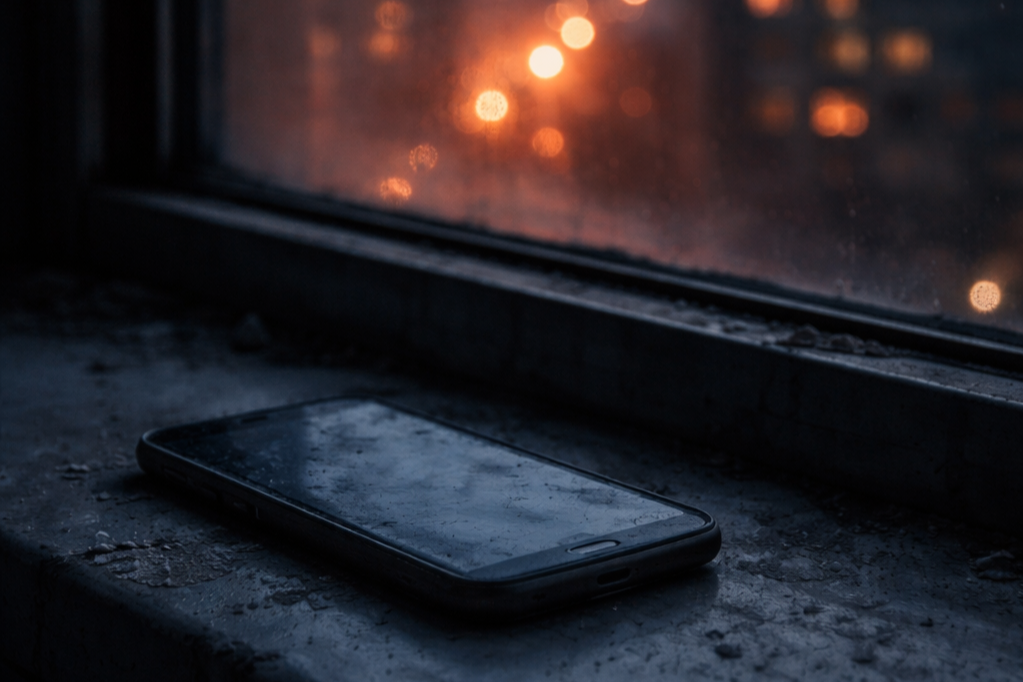
Then people check their phones.
They find months they do not remember living. Messages written in their own voices. Photos taken in streets they swear they never walked. Voice notes that speak calmly about hunger, heat, and how long it has been since anything worked. The devices agree on one thing. The outage did not end when the lights came back.
As officials dismiss the files as corrupted data, a small group begins to compare what their phones retained. The timelines match. The details align. The city, it seems, endured something longer and worse than anyone can remember.
Residual is a quiet, stripped-down novella about memory, erasure, and what remains after systems fail. It asks what gets lost when survival demands forgetting, and what happens when something refuses to let go.

Feed the Giants
They said giants were a story. Something from before the walls, before the world got small and safe.
But the ground still ticked at night. The walls still shook when the wind blew from the north.
Mara had grown up believing the Basin was the last place worth saving, that the Watch kept them safe because the monsters were gone.
Then she climbed the Wall and saw what the stories had left out.
The earth wasn’t empty. It was sleeping. And the people inside the city weren’t survivors.
They were feed.

The Violent Type
A man waits for his execution, speaking his last words to a silent priest. In a voice stripped bare, he recounts the trail of violence that followed him from boyhood; the bird he broke, the bar fights that turned fatal, the strangers who crossed his path and never walked away. There are no excuses here, no pleas for mercy. Only the blunt rhythm of confession, the weight of memory, and the certainty of the end waiting down the hall.
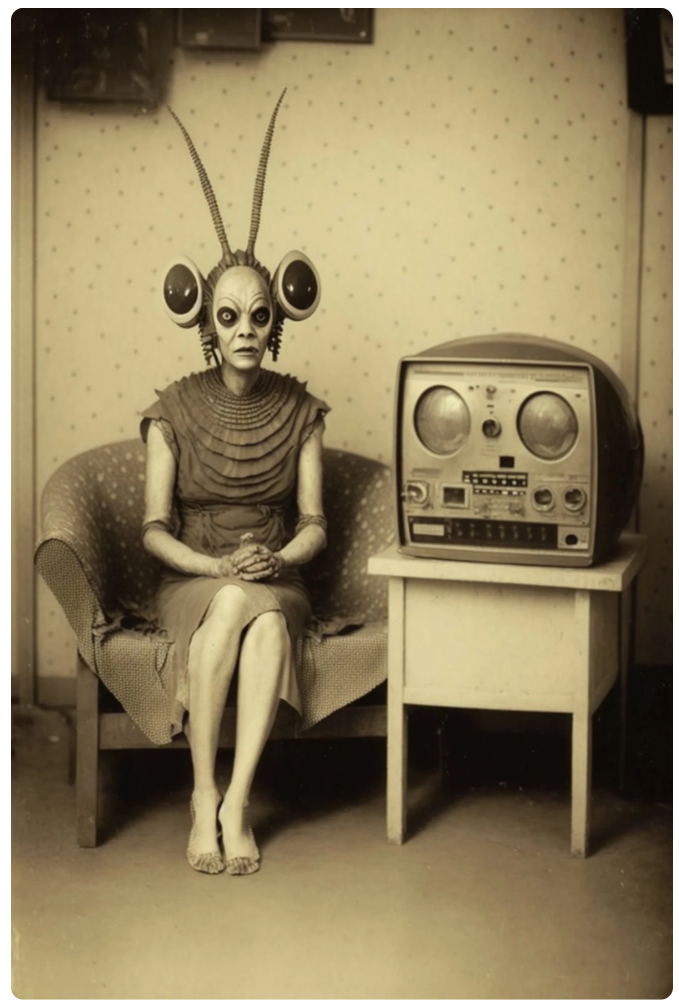
The Receiver
She sat barefoot on the sagging couch, hands folded neat as bones, antennas trembling in the stale air. Beside her, the radio hummed like something alive.
I thought of leaving. The voice inside the radio told me I couldn’t.
“You will listen,” it said.
And I did. I heard the air itself remembering. I heard prayers and screams, laughter and lies, all pressed into the silence like teeth into wood.
The woman never blinked. The radio never stopped.
And the road outside no longer felt like a way out.

The Broodmother of Jericho
In the ashes of Jericho, survival is not just about food and water. It is about what you are willing to keep alive when the world says let it die. Richard carries the weight of his fever-ridden sister and his mutated mother while hunter gangs stalk the ruins, chanting for the “Broodmother.” What follows is part horror, part love story, and all nightmare.
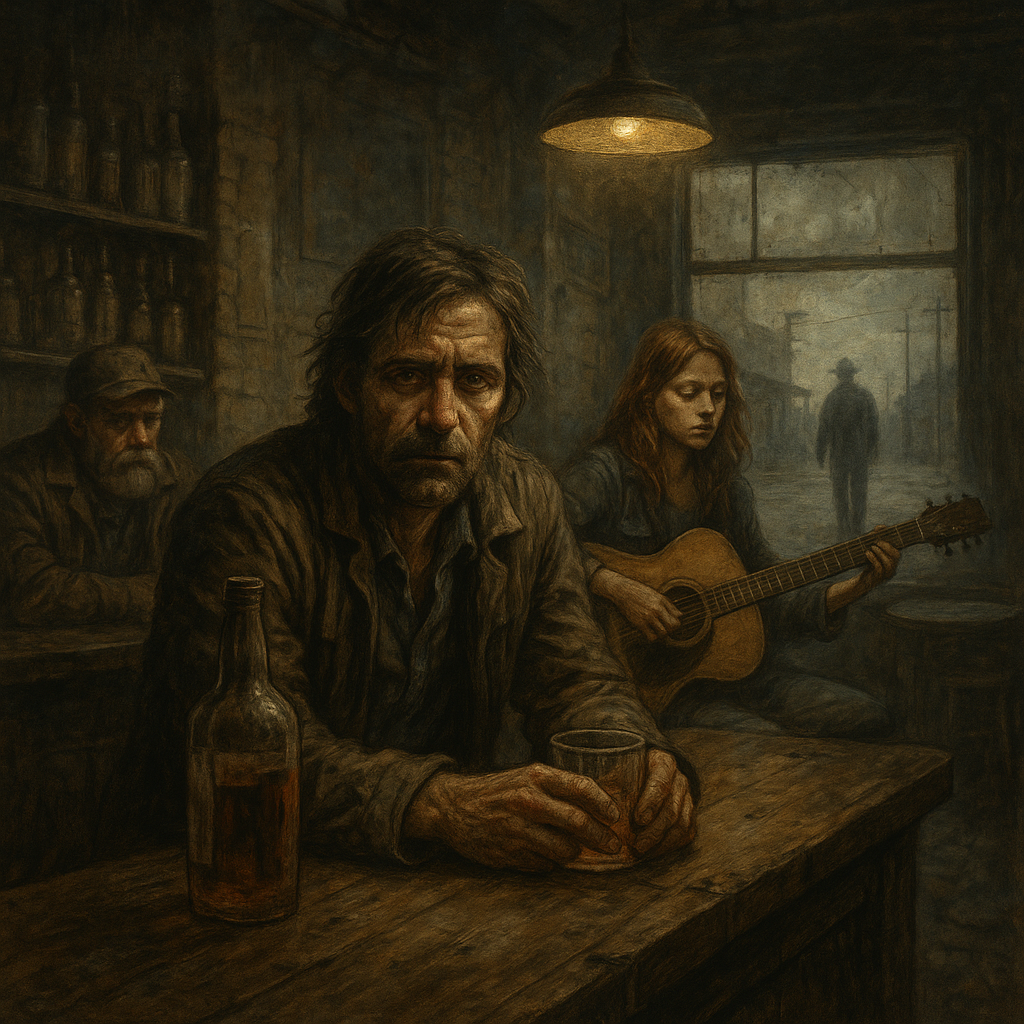
“The Last Bar in Boulder” - a story from The Stand
The world didn’t end with a bang. It ended with silence, whiskey, and a bar in Boulder where survival still feels like a bad joke. Meet Ray, Gus, and Lila—a broken man, a stubborn mechanic, and a girl with a guitar—holding out against the kind of evil that never really dies. If you ever wondered what happened after The Stand, this is the story of the last bar, the last songs, and the choice between fear and hope when the road brings trouble back.

“The Last Broadcast” - a story from The Stand
“If you’re out there,” Mickey said, voice cracking through the static, “this is 98.7 The Blaze. The airwaves are still open. I’m still here. You’re not alone.”
The studio smelled like mildew and old vinyl. His only listener was a dog named Joplin, and maybe—just maybe—the cowboy with burning eyes who kept showing up in his dreams.
Outside, the crows circled over Gainesville. The I-75 was a graveyard of cars and silence. But Mickey?
He kept talking.
Because someone had to.

The Vault
He woke up in a bunker. No memory of getting there. Just the stale hum of machines, a glowing screen that said WAIT, and the taste of old coffee still on his tongue.
Outside? Nothing but ash, silence, and a sky that watched like it remembered something you didn’t.
And when the screen changed to RUN, it was already too late.

Beast of the Box
He stripped his shirt off slow, like it was a ritual. Hands taped. Forearms carved out of scarred wood. No smile. No words. Just movement.
“You want the title,” he said, voice low and steady, “you finish when I finish.”
I don’t remember finishing.
I just remember waking up in the corner, shoes gone, hands torn open, whispering apologies to the rig.
The belt’s still there.
But no one reaches for it.
Not twice.

Next-Day Delivery
What if your thoughts weren’t just yours anymore? In Next-Day Delivery, a man’s life unravels when packages start arriving on his doorstep—items he never ordered but definitely thought about. Slippers. Childhood mementos. A tooth. Each box digs deeper into memories he’d rather forget, until it becomes clear: something is inside his head, rewriting reality one delivery at a time. Creepy, surreal, and disturbingly plausible, this horror story peels back the packaging on convenience culture and exposes the cost of always being connected. Because when your past is prime-shipped to your door, what shows up next might just be you.